The Space Between Hunger and Habit
How the gap between genuine physical hunger and the urge to eat without it has become a recurring feature of modern daily life — and what distinguishes one from the other.
A publication concerned with the quieter patterns between meals — why food becomes comfort, how attention shapes appetite, and what a slower pace at the table might reveal.
How the gap between genuine physical hunger and the urge to eat without it has become a recurring feature of modern daily life — and what distinguishes one from the other.
Evening food choices tend to follow a different logic than those made earlier in the day. Understanding what shifts between lunchtime and midnight is a first step toward noticing the pattern.
The practice of keeping a food journal is less about counting and more about paying attention. A notebook becomes a record of mood alongside meals, revealing connections that otherwise remain invisible.
Tarino Gazette is an independent editorial publication. Its writers concern themselves with the ordinary habits that develop around food — the reaching for something sweet at three in the afternoon, the cleared plate when the stomach signalled fullness several bites earlier, the difference between wanting to eat and genuinely needing to.
The publication does not offer plans or prescriptions. It offers observation: careful, evidence-informed writing that helps readers notice what is already happening, and consider whether attention alone might shift something.
Articles published on Tarino Gazette are editorial in nature and reflect the writers' observations on everyday wellness practices. The content is not intended as professional advice, nor as guidance for the management of any specific condition. Readers with specific concerns about their daily routines are encouraged to speak with a qualified wellness professional.
Exploring the often subtle difference between eating as a response to genuine need and eating as a response to mood. Observations on how the body signals one and the mind occasionally overrides it with the other.
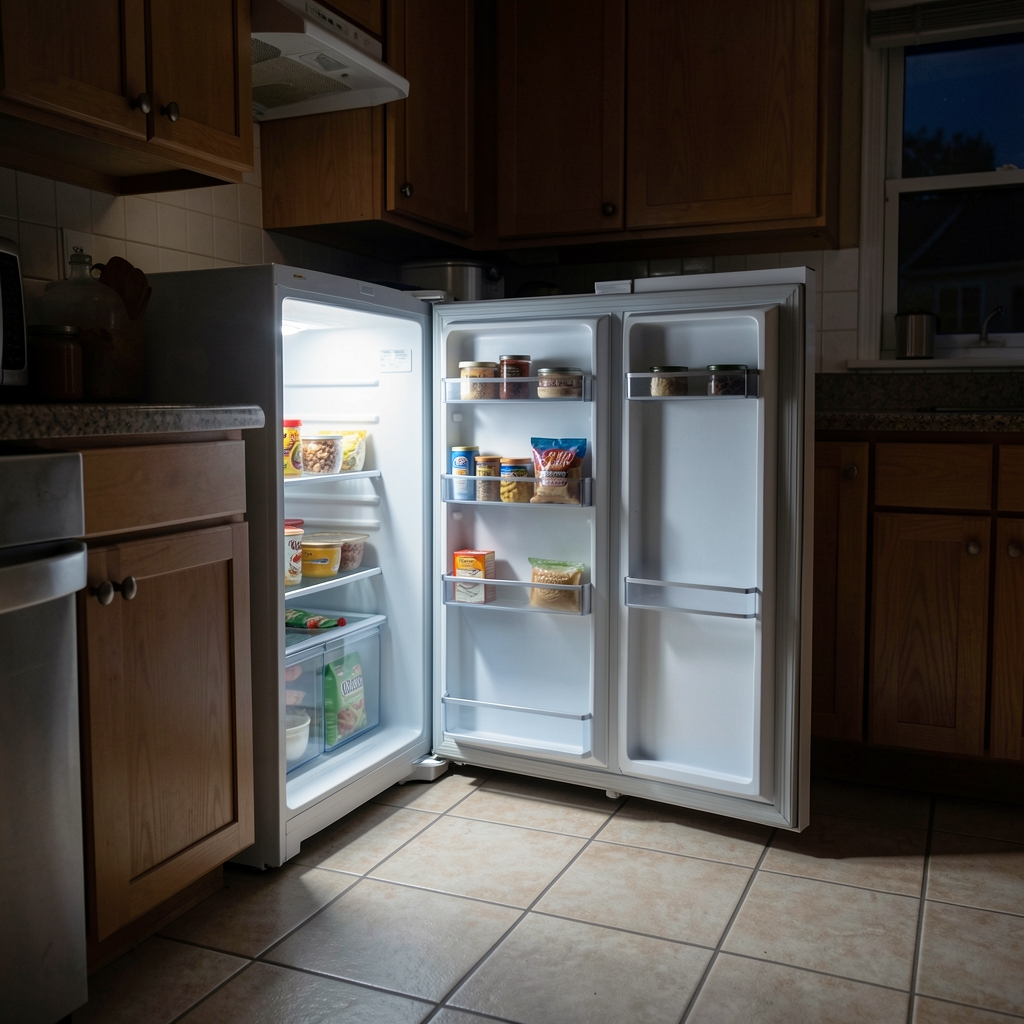
Evening patterns frequently diverge from daytime ones. Boredom eating — reaching for food in the absence of any physical need — is a common observation across many people's accounts of their own routines.
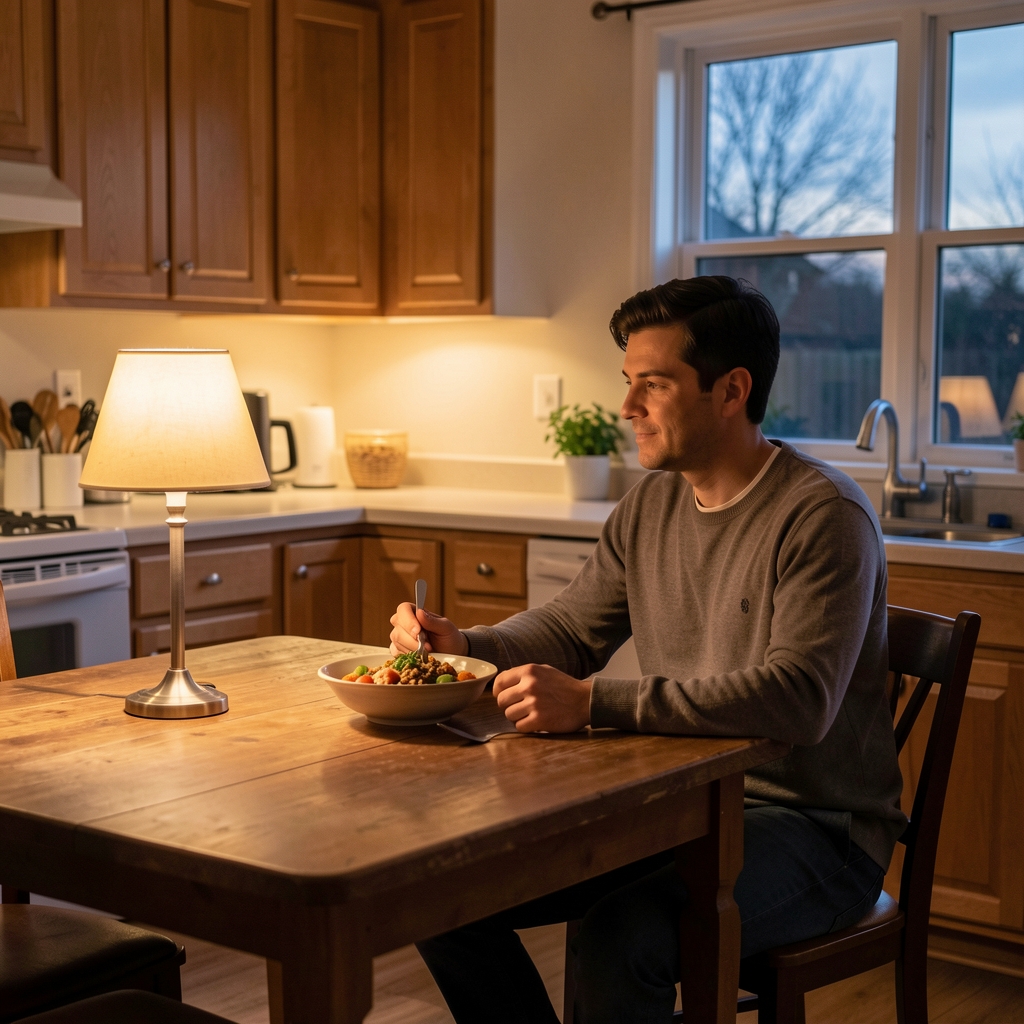
Distracted eating — meals consumed alongside screens, during calls, or in transit — tends to reduce awareness of fullness cues. Paying attention is a practice, not a virtue.
Writing about meals — not their calorie count but their context, the mood before and after, the pace, the company — creates a record that patterns can be read from. The notebook as a quiet witness.
The speed of eating affects the body's ability to register satiety. Slowing down at mealtimes is not a minor adjustment — it is, in many cases, the only adjustment necessary.
Routine provides structure for eating behaviours. When weekday patterns dissolve — earlier alarms, scheduled lunches, the rhythm of a working day — eating habits frequently shift in ways worth observing.
"The most useful observation about stress and food is also the simplest: hunger and the desire to eat are not always the same thing."
Observations on the questions readers return to most often.